
Estate Planning: Protect Your Wealth and Legacy
Introduction
Estate planning is one of the most important yet often overlooked aspects of financial planning. While many individuals focus on building wealth, fewer take the time to structure how that wealth will be protected, managed, and ultimately passed on.
A thoughtful estate plan provides clarity, direction, and confidence—not only for the individual creating it, but also for their family, beneficiaries, and future generations. It allows individuals to define their wishes, reduce uncertainty, and align financial decisions with long-term goals.
In today’s evolving financial landscape, estate planning is not just about preparing for the future—it is about creating a strategy that supports wealth preservation, tax efficiency, and legacy planning.
What Is Estate Planning?
Estate planning is the process of organizing an individual’s financial affairs to ensure that assets are managed and distributed according to their wishes.
This process includes:
- Determining how assets will be distributed
- Preparing for potential incapacity
- Minimizing unnecessary taxes and expenses
- Protecting beneficiaries and heirs
- Aligning financial strategies with long-term goals
Estate planning is not limited to high-net-worth individuals. It is a valuable strategy for anyone who wants to create structure and clarity around their financial future.
Why Estate Planning Matters
Without an estate plan, financial decisions may be left to default legal processes, which may not reflect personal intentions. This can lead to delays, confusion, and unintended outcomes.
Preserving Wealth
Estate planning helps protect assets from unnecessary costs, including taxes and administrative expenses. Strategic planning ensures that more of your wealth is preserved for intended beneficiaries.
Providing Clarity for Loved Ones
Clear documentation helps reduce uncertainty and provides guidance for family members during difficult times. It ensures that decisions are made according to your wishes.
Supporting Long-Term Financial Goals
Estate planning aligns financial decisions with broader objectives, including retirement planning, charitable giving, and legacy goals.
Reducing Potential Conflicts
By clearly outlining intentions, estate planning helps prevent misunderstandings or disputes among beneficiaries.
Core Components of an Estate Plan
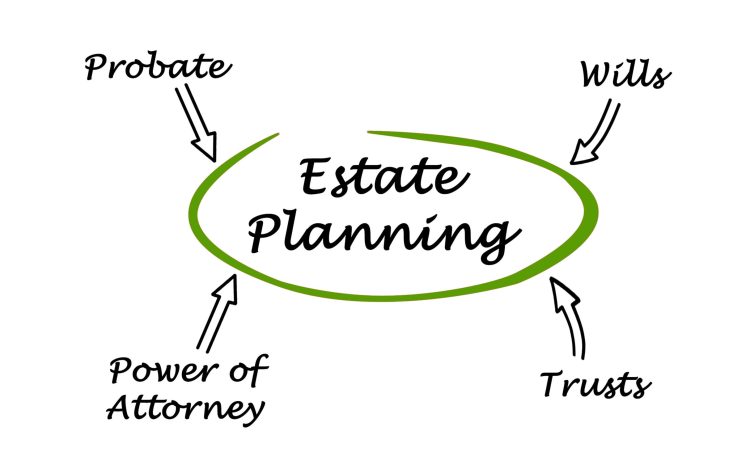
A comprehensive estate plan includes several key elements that work together to create a cohesive strategy.
Wills
A will outlines how assets are distributed and identifies individuals responsible for carrying out those decisions. It serves as the foundation of most estate plans.
Trusts
Trusts provide additional control over how and when assets are distributed. They can be used to protect assets, support beneficiaries, and potentially improve tax efficiency.
Power of Attorney
A power of attorney designates someone to make financial decisions on your behalf if you are unable to do so.
Healthcare Directives
Healthcare directives outline medical preferences and designate individuals to make healthcare decisions if necessary.
Beneficiary Designations
Many financial accounts allow for beneficiary designations. Ensuring these align with your estate plan helps avoid inconsistencies.
Estate Planning and Tax Efficiency
Tax planning is an essential part of estate planning.
Different assets are taxed in different ways, and without proper planning, a portion of an estate’s value may be reduced due to taxes.
Understanding Tax Implications
Estate and inheritance taxes, as well as income taxes on certain assets, can impact the overall value passed to beneficiaries.
Strategic Asset Allocation
Allocating assets across different tax treatments—such as taxable, tax-deferred, and tax-advantaged accounts—can help improve efficiency.
Long-Term Planning
Estate planning strategies often involve long-term decisions that help reduce tax exposure over time.
Estate Planning for Families
Families often face unique considerations when creating an estate plan.
Providing for Future Generations
Estate planning allows individuals to support children, grandchildren, and other beneficiaries in a structured way.
Adapting to Changing Circumstances
Family dynamics can change over time. Estate plans should be flexible enough to adapt to new situations.
Creating Transparency
Clear planning helps ensure that intentions are understood and respected, reducing the likelihood of confusion.
Estate Planning for Business Owners
Business owners have additional responsibilities when it comes to estate planning.
Their personal and business finances are often closely connected, requiring a coordinated approach.
Key considerations include:
- Transitioning business ownership
- Protecting business value
- Aligning estate planning with succession strategies
- Ensuring continuity of operations
Integrating estate planning with business strategies helps create a more cohesive and effective long-term plan.
Wealth Preservation and Estate Planning
Estate planning is closely tied to wealth preservation.
The goal is not only to distribute assets but also to protect them over time.
Strategies may include:
- Risk management planning
- Asset diversification
- Long-term financial planning
- Protection structures
Innovative Legacy Solutions emphasizes aligning estate planning with wealth preservation strategies to create a comprehensive approach that supports both current and future financial goals.
Common Estate Planning Misconceptions
There are several common misconceptions that can prevent individuals from taking action.
“Estate Planning Is Only for the Wealthy”
Estate planning is beneficial at many financial levels. It provides clarity and structure regardless of the size of the estate.
“It’s a One-Time Process”
Estate planning should be reviewed regularly to reflect changes in financial circumstances, family dynamics, and laws.
“It Only Covers Asset Distribution”
Estate planning also includes healthcare decisions, financial management, and long-term planning strategies.
When to Start Estate Planning
The best time to begin estate planning is as early as possible.
Starting early allows individuals to:
- Build a structured plan
- Adjust strategies over time
- Take advantage of long-term opportunities
However, it is never too late to start. Even small steps can significantly improve clarity and preparedness.
The Importance of Regular Review
An estate plan should evolve over time.
Regular reviews help ensure that the plan remains aligned with:
- Financial goals
- Family changes
- Legal updates
- Business developments
This ongoing process helps maintain effectiveness and relevance.
Estate Planning as Part of a Broader Strategy
Estate planning works best when integrated with other financial strategies.
These may include:
- Retirement planning
- Tax planning
- Risk management
- Business planning
By aligning these elements, individuals can create a more comprehensive and resilient financial plan.
Long-Term Benefits of Estate Planning
A well-structured estate plan provides long-term advantages:
- Greater control over financial decisions
- Improved wealth preservation
- Reduced uncertainty for beneficiaries
- Enhanced tax efficiency
- Stronger legacy planning
These benefits contribute to a more stable and confident financial future.
A Thoughtful Approach to Legacy Planning
Estate planning is ultimately about more than financial assets—it reflects values, priorities, and long-term vision.
By taking a thoughtful approach, individuals can ensure that their wealth supports both their present needs and future goals, creating a lasting impact for generations to come.
Contact Us
Understanding estate planning strategies can help individuals and families create more structured and effective long-term financial plans.
Innovative Legacy Solutions works with individuals, families, and business owners to develop strategies focused on estate planning, wealth preservation, and legacy planning.
If you have questions about estate planning or related financial strategies, their team is available to provide guidance and insights.
Office: (763) 639-3774
Business Hours: Monday – Friday, 9 AM – 5 PM CST